I used to think if I had the right words for it, it might stop hurting. If I could name the shape of the ache, I could stay ahead of it. I called it trauma. Grief. Pattern. Memory. Nervous system response. But somewhere along the way, it stopped being about explanation or understanding. What I started to see wasn’t dysfunction. It wasn’t a symptom. It was something still alive just trying so hard to move. That’s what I follow in my work as a therapist.
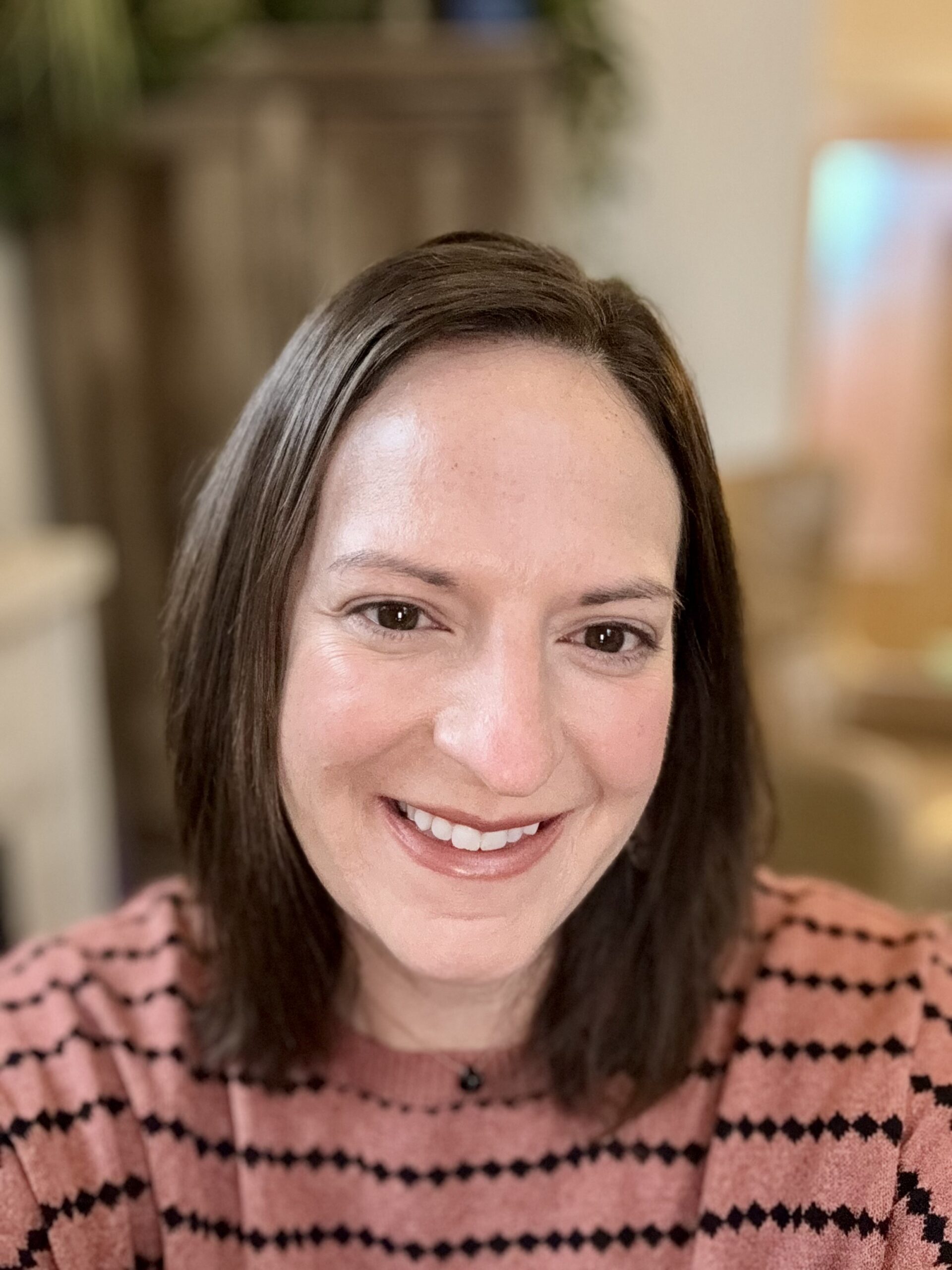
I’m Chelsey Fjeldheim, LCSW. I’ve been a therapist for over a decade and the founder of Courage Speaks Counseling. My background includes EMDR, trauma-focused therapy, and parts work.
I work primarily with adults, usually 24 and up.
In the hardest seasons, healing rarely comes from being told what to do. It comes from presence—from finding ways not to leave ourselves in the middle of what hurts. It’s staying, and having someone stay with you.
Therapy here doesn’t look like fixing what’s broken or forcing yourself to move on.
It looks like staying with what’s real, even when it’s messy, even when it feels like your worst moment.
We’ve all had those moments.
But how often do we get to have someone who doesn’t flinch, who doesn’t try to change it, who simply stays and holds it with us?
Some days, that means using EMDR to let your body finish what it never got to finish.
Other days, it means giving voice to a part of you that’s been silenced.
And sometimes, it’s simply sitting beside the ache until it shifts on its own.
I don’t believe people are broken.
I believe we’re human—messy, complex, alive.
So much of the world tells us to hold it together, to move on, to be stronger. But real healing doesn’t come from pretending we’re fine. It begins when we have a place where our humanness is welcome, where nothing has to be hidden or performed.
That’s why I do this work: to create a space where all of you belongs. Where what hurts can be seen, and what’s still alive has room to grow.
And maybe—healing isn’t about becoming different at all, but about trusting the self you thought you had to leave behind.